
join project 1 million 3.0: 100 bikes. 24 hours. one mission to raise £1 million for potentially life-saving therapy.
i'm in join project 1 million 3.0: 100 bikes. 24 hours. one mission to raise £1 million for potentially life-saving therapy.
i'm in
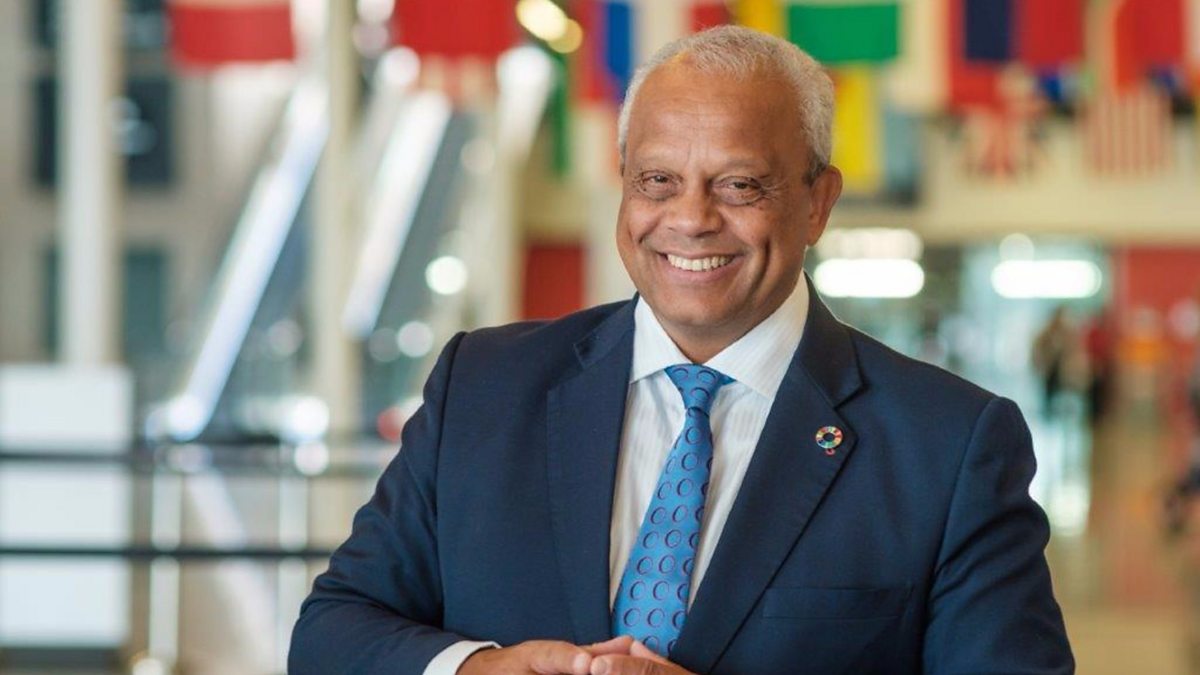
good morning dear blog reader
i recently went to the conduit club in covent garden in london for a talk, and fell in love.
i fell in love with the club, the design, the ethos, the people.
i subscribed to their ‘radical realist’ newsletter, which has some great articles, one of which was about lord michael hastings, who had been at the club talking about leadership, so i thought i would share a link to the newsletter signup, see below, and his article, which i think is very thought provoking.
this week at bigmoose has been very exciting and rewarding with our new member of the team sara joining us full time, welcome sara, and our team received two messages from clients telling us we saved their lives, which totals 139 lives saved, i think you’ll agree a number to be very proud of.
our ‘invisible women’ book giveaway was successful, and hopefully will stimulate conversations and change as more people read it, though after watching louis theroux’s “inside the manosphere” on netflix last night, which is a pretty tough watch, i realise that there are a large amount of men in the andrew tate mould, propagating vitriol and hatred, and that we have a tremendous amount of work to do, just to stop from sinking further into the abyss.
worrying times.
to lighten the mood a little, last saturday my gang took betty and otto to a local farm where we were invited to sit in a pen of over 100 baby lambs and goats, given bottles of milk to feed them with, and for just over forty minutes the world was simple, the joy was pure, and the happiness as the animals gambolled, entertaining their human counterparts was wonderful, and with a visit to wish my mum a happy 89th birthday, and fish and chips on a chilly barry beach, saturday was a good day.
and as i look out the window this friday morning, the rain has stopped, and as bill withers sang, i think it’s going to be, a lovely day.
enjoy the interview, and have a great week.
blue skies,
jeff
c
1. the biggest obstacle to change is cynicism
hastings argued that one of the most destructive forces in public life is the belief that nothing can change. too many people, he says, have convinced themselves that the world’s problems are simply too large for individuals to influence.
“cynicism is the conviction held too tightly by most people that nothing changes and that they are too small to make a difference,” he said. “ending cynicism is one of the greatest powers we have.”
to illustrate the point, hastings shared the story of a young man in india who began planting a single tree each day after watching forests near his home disappear. the man kept planting trees for decades. eventually the barren land was transformed into a thriving forest where birds, elephants and other wildlife returned.
hastings stressed that transformational change rarely begins with grand strategies or global agreements. more often it begins with small acts repeated over long periods of time. the individual who plants one tree every day may ultimately accomplish more than the person who spends years arguing about whether planting trees is worthwhile.
for hastings, responsible leadership starts with rejecting the idea that action is futile. leaders must cultivate imagination rather than resignation.
2. generosity is a leadership discipline
another lesson from hastings’s life comes from childhood. growing up in jamaica during a period of economic hardship, his family once received a parcel from relatives overseas containing items that were difficult to obtain locally. instead of keeping the goods, his mother divided them into small packages for neighbours who had even less. by the end there was only a small portion left for the family itself.
“that’s all we need,” she said. “someone else will send us something tomorrow.”
for hastings the moment was formative. leadership, he believes, requires a willingness to give things away. time, resources, attention and opportunities must flow outward rather than inward.
this runs counter to a culture that increasingly equates success with accumulation. social media platforms amplify that tendency by constantly displaying wealth and status. the result, hastings argues, is a form of collective materialism that distances people from each other. responsible leaders push against that current. they practice generosity not as charity but as a way of structuring their lives and institutions.
3. listen to people who disagree with you
in an era of polarised politics and algorithm-driven echo chambers, hastings believes listening has become one of the most neglected leadership skills. he makes a point of watching speeches from politicians across the ideological spectrum, even those he strongly disagrees with. the goal is not endorsement but understanding.
“we are too quick to dismiss people who think differently from us,” he said. “we have a moral obligation to listen.”
the idea echoes one of the core principles from stephen covey’s influential leadership philosophy: seek first to understand before you are understood. most people, hastings notes, begin constructing rebuttals before the other person has even finished speaking.
the consequences are visible everywhere. political debate becomes more performative and less constructive. disagreements escalate into hostility rather than learning.
responsible leadership requires resisting that impulse. listening seriously to opposing viewpoints does not mean abandoning convictions but rather recognising that no individual or ideology has a monopoly on truth.
4. every leader needs someone who will tell them they are wrong
perhaps the most practical piece of advice hastings offers concerns accountability. power tends to isolate leaders from honest feedback. he recounted a conversation with former canadian prime minister justin trudeau at a public event. the politician was standing alone during a reception, and hastings asked him a direct question: who in his life tells him when he is wrong?
trudeau struggled to answer truthfully. the exchange highlights a common problem among senior leaders. as authority grows, fewer people feel comfortable offering criticism. over time the absence of challenge can distort decision making.
“all of us need people in our lives who help us to be better people,” hastings said. “people who will challenge us and tell us when we are wrong.” responsible leaders intentionally build those relationships. they surround themselves not only with supporters but also with trusted critics who are willing to speak frankly.
5. find a spiritual compass
towards the end of the evening an audience member asked hastings how he stays grounded. his response began with something that could come straight out of a self-help book: “wake up at 5am”, “drink great coffee”, “stay grounded”. but hastings then went deeper and challenged the audience to think spiritually and critically about the world around them. “choose to think philosophically and truthfully about what you believe in,” he advised. “choose to understand it and choose to see whether it works.”
he cited his christian faith as his source of moral inspiration and drew examples from his work in prisons around the world. rather than berate prisoners with moral lessons, hastings leads with humility and chooses to listen rather than preach. one of the prisons where he volunteers has started a programme called “reverse mentoring” where the inmates speak to the guards about what is troubling them. “you reverse the power dynamic. it has transformed the prison. violence is down 38% in two years,” hastings emphasised.
not only does hastings’s faith allow him to listen more attentively, but it also makes him believe that anybody is capable of great change, especially those who have committed serious crimes. responsible leadership, he suggests, depends on holding on to that belief. without a moral framework or some sense of purpose beyond career advancement, leaders risk drifting toward short-term thinking and self-interest.
character is destiny
if there is a single thread running through hastings’s reflections, it is humility. responsible leadership begins with a willingness to learn, listen and change. that humility shows up in everyday practices: rejecting cynicism, staying grounded in values, sharing resources generously, listening across differences and inviting honest feedback.
none of these habits guarantees perfect decisions. in a complex world, mistakes are inevitable. but they create conditions in which better decisions become possible. as hastings puts it, good leadership requires remembering that everyone is capable of change, even ourselves.
in a time when many leaders feel pressure to project certainty at all costs, that mindset may be one of the most radical leadership practices of all.